
As consumers increasingly prioritize seafood for its flavor and health benefits, understanding the dynamics of leading seafood restaurant chains becomes crucial for business owners. Major brands like Red Lobster, Legal Sea Foods, Joe’s Crab Shack, and The Oceanaire Seafood Room provide various dining experiences that cater to diverse consumer preferences. Each brand not only captures distinct market segments but also addresses significant trends such as sustainability and the demand for high-quality seafood. This article dissects the positions each chain holds in the market, their unique offerings, and what business owners can learn from their successes and challenges.
Red Lobster’s Trajectory: Reimagining an Icon in America’s Seafood Chain Landscape

Red Lobster stands as a case study in scale, brand identity, and the stubborn pull of the mass-market dining experience within the seafood segment. Born in 1968 along the sun-drenched coast of Florida, the chain grew from a single restaurant into a global enterprise that now operates well over seven hundred locations. It emerged as the archetype of American casual seafood: approachable, family-friendly, and refreshingly affordable. Its parent company, a pillar in the Darden portfolio, framed the brand around two enduring promises—freshness within reach and dishes that felt both familiar and comforting. The menu rode a cultural wave of abundance, anchored by seafood staples like lobster, crab legs, and a parade of platters that looked great on social media and sounded even better in a bustling dining room. The brand also cultivated a distinctive ritual: the Cheddar Bay Biscuits, warm and pillowy, that became less a side and more a calling card. When customers spoke of value, they spoke of a counterpoint to the premium, fine-dining seafood rituals and the fast-casual glare of a moment’s quick bite. Red Lobster rode that duality with a deft hand, balancing price-conscious choices with a sense of indulgence that felt earned rather than allocated by an inflated price tag.
The core positioning rested on a simple calculus: offer ample portions of fresh seafood at a price point that invites repeat visits. The company’s signature promotions reinforced this strategy. The unlimited shrimp concept—often referenced as a historic high-water mark for value—drew crowds with its spectacle and its promise of abundance. But the brand’s appeal extended beyond promotions. Menu items like snow crab legs and garlic butter Maine lobster became emblematic, while the crusty, comforting bite of Cheddar Bay Biscuits created a sensory tie that resonated in households across generations. The architectural resilience of Red Lobster’s business model lay in a broad store network that served both suburban families and workplace crowds, with a menu designed to support consistent kitchen execution across locations. In this sense, the chain functioned as a reliable dining destination that could deliver steady experiences amid the variable rhythms of consumer demand.
Yet no long arc remains immune to disruption, especially when inflation bites and the economics of scale press hard on cost structures. By 2024, Red Lobster confronted a perfect storm of operational strain, mismanagement signals, and a heavy reliance on a high-volume, promotion-driven approach. The result was a crisis that forced the chain into bankruptcy protection and led to the closure of nearly a hundred stores. The episode exposed a fundamental tension at the heart of large-format seafood chains: growth at any cost can erode the very efficiency and quality that once justified the scale. Rising supply costs, labor pressures, and the need to refresh a promotion-heavy model collided with changing consumer expectations around value and sustainability. The sea-change was not about abandoning the past; it was about rebuilding with a tighter compass. The company began a multi-front effort to stabilize, renegotiate supplier terms, and rethink its menu structure toward high-quality, limited-time offerings that could command elevated prices without sacrificing the broad accessibility that defines the brand’s core.
From this crucible emerged a clear strategic orientation: emphasize culinary quality over sheer volume, deploy a leaner and more selective promotional calendar, and deploy a refreshed brand narrative that foregrounds freshness, speed, and a humane cost profile for operators. The 2025 horizon saw the introduction of a highly anticipated event—the so-called GLOAT festival—built around the idea of the “largest lobster celebration” in the chain’s history and featuring ten new pairings and preparations. This shift toward curated, limited-time experiences signaled a move away from perpetual discounting toward a model where novelty and perceived value are anchored in quality and storytelling. The menu evolution also reflected a broader commitment to operational discipline. By constraining the number of active promotions and concentrating on dishes that could be executed consistently across diverse markets, the chain aimed to stabilize margins while preserving the sense of abundance that long defined its guest experience. It was a deliberate reengineering of the brand’s promise: not simply “more for less,” but “better for a thoughtful investment.”
Another pillar of the post-crisis strategy has been the enhancement of loyalty and customer engagement. The renewed emphasis on a membership-oriented experience—whether through simplified rewards, faster turnaround on popular dishes, or tailored menu recommendations—has helped re-anchor the guest relationship in a way that promotes repeat visits without eroding profitability. The brand has also pursued a more deliberate path to international growth, signaling an ambition that stretches beyond the United States. The narrative recalls a phased approach: a measured push into international markets with careful site selection and menu adaptation, including early forays into large urban centers in Asia and Europe. The intent is to test and refine how a familiar American seafood concept travels across cultures while maintaining the core sense of value and hospitality that defines it. A convergence between domestic resilience and international curiosity marks the current era of Red Lobster, as it seeks to become both a stalwart of American casual dining and a respected ambassador of seafood across global markets.
In the broader landscape of seafood restaurant chains, Red Lobster’s journey illustrates how scale, brand equity, and operational discipline interact with consumer expectations around sustainability and quality. While other chains emphasize different axes—high-end luxury, regionally rooted fare, or ultra-casual convenience—Red Lobster reminds industry observers that a well-built mass-market model can falter under misaligned incentives yet recover through disciplined reinvention. The arc from window-licking value promotions to a more measured, quality-forward growth story reflects a durable truth: in a market where consumers increasingly demand both transparency and consistency, a chain’s ability to adapt its supply chain, refine menu curation, and renew its brand narrative becomes the fulcrum of long-term leadership. The brand’s ongoing evolution—its Lobsterworthy identity, its controlled menu evolution, and its renewed focus on hospitality—continues to shape how a seafood chain can maintain relevance at the scale of a national icon while still feeling personal to each guest.
For a broader sense of how regional players navigate similar challenges and opportunities—balancing service, quality, and price—readers can explore a familiar seafood reference in the broader market landscape: Mayflower Seafood overview. This link offers a window into how other operators balance heritage with modernization, a contrast that deepens the understanding of Red Lobster’s unique position in the chain restaurant ecosystem. The chapter’s conclusions point toward one enduring insight: in seafood branding, as in cuisine, scale must be paired with selective innovation, and hospitality must be sustained by a commitment to consistent, high-quality experience. The next chapter will further investigate how other major chains defend their territories through sustainability commitments and supply-chain governance, illuminating the evolving ethos of seafood dining in a changing world.
合规之潮:可持续海鲜法律如何驱动连锁餐厅的市场变革
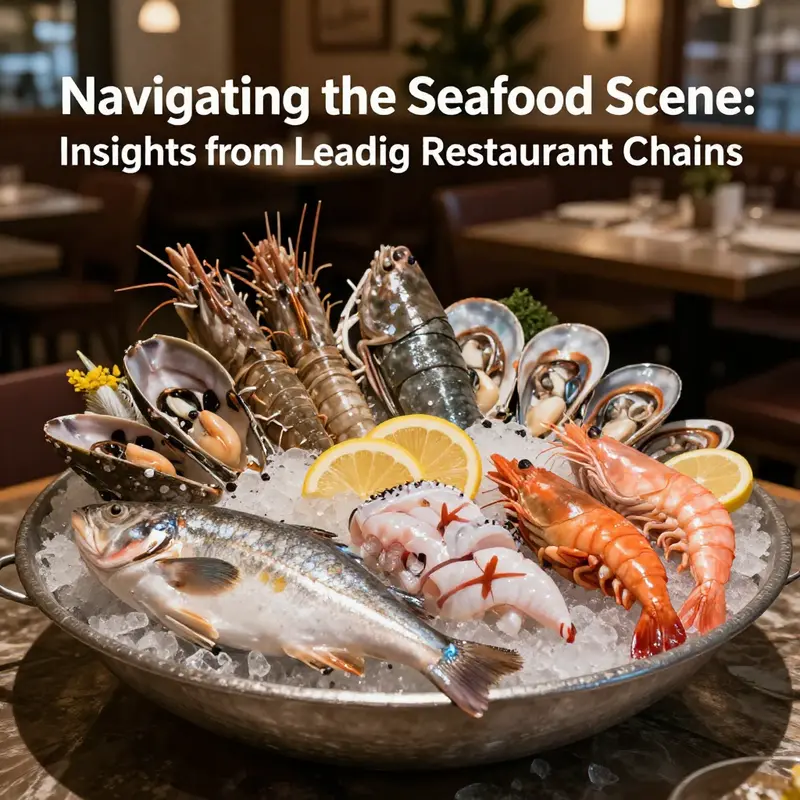
外部参考将进一步帮助读者把理论与实践对齐。可持续渔业的官方立场与监管实务,最权威的解读来自政府机构对渔业管理的持续更新。外部资源可供深入了解法规逻辑、监管路径与市场响应。外部链接: https://www.noaa.gov/sustainable-fisheries
Casual Coastal Dining at a Legendary Seafood Spot: The Experience Behind a Beloved Casual Chain
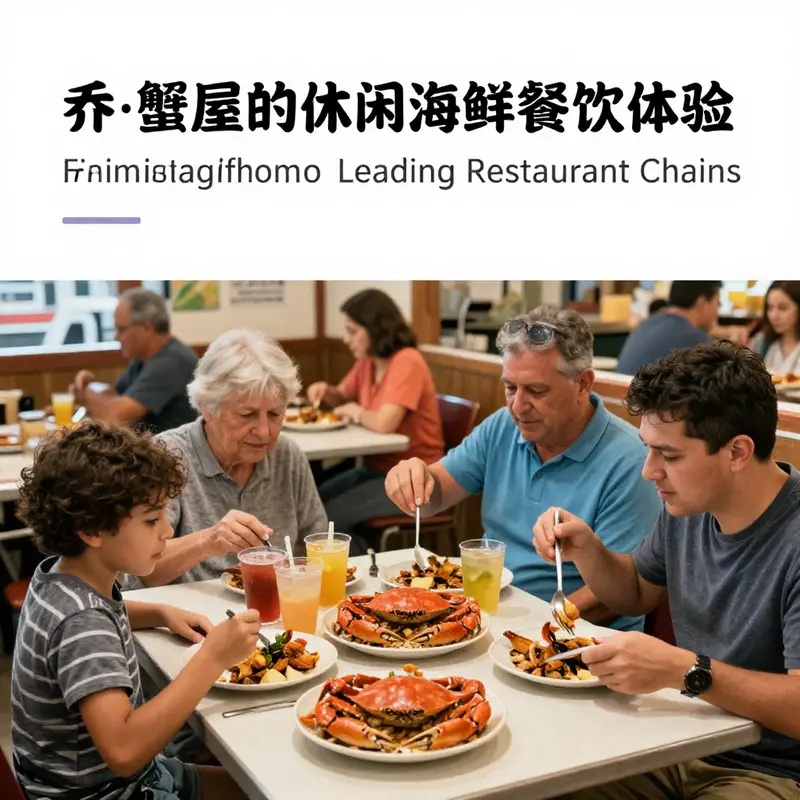
Casual coastal dining has a way of turning a meal into a ritual. In the broad landscape of seafood restaurant chains, a certain kind of place—unpretentious in décor, generous in portions, steady in service—endures while trends come and go. It is not the flash of a high-concept concept that wins diners, but the quiet confidence of consistency. This is the kind of dining experience that invites a table of friends, a family reunion, or a quick weeknight dinner to become a small, shared celebration. The room feels welcoming yet efficient, the pace comfortable enough to linger, and the food—when it arrives—feels reliable in its simplicity: seafood that tastes fresh, sides that feel timeless, and a rhythm of service that makes the meal flow without fuss. In such spaces, the goal is not to reinvent the wheel but to keep spinning it with care, so every guest walks away with a sense of having enjoyed something honest and gratifying.
In the Miami Beach outpost that anchors this narrative, the dining experience unfolds as a study in the charm of casual abundance. Guests arrive with expectations shaped by decades of similar experiences—the same friendly greetings, the familiar cadence of ordering, and a shared appetite for seafood presented in generous, sociable portions. The centerpiece is a famously shareable crab-focused dish, presented with a confidence that signals both kitchen mastery and a respect for the social nature of eating. Its generous accompaniments—smooth mashed potatoes, a simple, comforting vegetable side, and a light salad that adds balance—form a plate that invites conversation as much as it invites a fork. The flavors are straightforward and satisfying: the kind of profile that seems to need no gimmick to feel complete. What elevates the dish is not only the freshness of the ingredients but the way the kitchen times each element so that the table can coordinate bites and laughs at a natural tempo. The result is a meal that feels like a well-worn ritual rather than a one-off spectacle, a distinction that matters when families and groups seek a dependable, easygoing dining partner for a casual evening out.
The service in such places is the quiet engine that keeps the experience smooth and memorable. Front-of-house teams blend knowledge with warmth, offering practical guidance without pressuring the guest. They know when to suggest a larger platter for a rowdy table, when to pace the courses for a child-friendly meal, and when to pivot to a lighter option for late arrivals. The goal is hospitality that feels personal without becoming personal drama, a hospitality that respects the guest’s autonomy while still guiding the table toward a shared experience. In reviews across consumer platforms, guests consistently credit the ambiance and the staff’s attentiveness as core reasons for returning. The setting becomes more than a place to eat; it grows into a social space where conversations resume, celebrations begin, and ordinary evenings are punctuated by the small joys of good seafood and good company.
This casual model sits at an interesting crossroads within the wider ecosystem of seafood restaurant chains. On one side lies the sphere of high-end, destination dining, where provenance, technique, and storytelling about sustainability take center stage. On the other side are the broad, affordable chains that rely on a straightforward menu, predictable quality, and efficient service to serve large volumes of guests. The value proposition in casual seafood dining is anchored in clarity: a menu that is approachable, portions that satisfy, and a price point that doesn’t spark hesitation at the table. In 2024, industry data highlight the continued prominence of steak-and-seafood chains by unit count, underscoring how consumers still crave seafood in a familiar, accessible format that pairs well with gatherings of friends and family. The appeal is not novelty but reliability—an assurance that a seafood meal can be both pleasant and easy on the wallet, especially when the dining room feels like a communal space rather than a stage for culinary experimentation.
Within this landscape, regional players also reflect the same core ethos in distinctive ways. Local venues in various markets inherit the same DNA—the instinct to create a warm, inviting environment, a menu that covers familiar favorites from shellfish to fried options, and service that makes guests feel seen rather than scheduled. For readers who want a tangible example of how this model thrives beyond coastal hubs, consider a well-regarded regional spot in Winston-Salem where families gather for comforting fare and thoughtful service. If you’d like to explore a similar atmosphere in a different city, you can visit Mayflower Seafood Winston-Salem. Mayflower Seafood Winston-Salem.
Behind the scenes, these chains succeed through a combination of disciplined operations and cultural-minded leadership. Consistency across locations hinges on reliable supplier relationships, careful quality control, and standardized training that preserves the human touch at the table. The kitchen’s ability to reproduce a menu that tastes familiar across dozens of sites rests on clear specifications, steady sourcing, and a shared understanding of what makes seafood appealing to a broad audience: freshness, accessibility, and dependable texture. The dining room, in turn, leans on a front-of-house ethos that treats every guest as part of a larger table rather than a one-off transaction. This translates into staff who read the room, anticipate needs, and make subtle recommendations that enhance the meal without overshadowing the guest’s own preferences. In such cycles, the chain’s identity becomes a reliable beat in the local soundtrack of eating out—a rhythm that guests can trust and that operators can scale.
The emotional resonance of these casual seafood settings should not be overlooked. For many diners, a meal at a comfortable, unpretentious restaurant becomes a social ritual—an occasion to catch up with friends, celebrate a milestone, or simply decompress after a busy day. In this frame, the most memorable moments are often the small scenes: a plate cleared with a nod, the clink of a fork against a shared platter, a server who knows when to pause and listen, and a moment when conversation slows long enough for everyone to savor the year’s first bite of something seaworthy and satisfying. That is the essence these chains aim to protect: a hospitality proposition that travels well, whether in a coastal city, a southern town, or a midwestern suburb.
As the seafood restaurant landscape continues to evolve, the case for casual, crowd-friendly dining remains compelling. It is not merely about broad menus or deep discounts; it is about curating an environment where seafood feels approachable and every guest feels cared for. The enduring appeal lies in the balance between provenance and practicality, between a kitchen’s craft and a dining room’s warmth. In this balance, the casual seafood chain becomes more than a destination—it becomes a dependable thread in the fabric of everyday dining, a place where meals are anchored in shared appetite and the simple joy of good company around a well-prepared plate. The longer the chain sustains that balance, the more it contributes to the broader story of seafood restaurant chains as adaptable, relationship-building communities that thrive on consistent quality, friendly service, and a genuine sense of place.
External resource: https://www.tripadvisor.com/RestaurantReview-g34957-d1068264-Reviews-JoesStoneCrab-MiamiBeachFlorida.html
海洋厨房的高端餐饮市场解码:从健康风潮到沉浸体验的升级之路

在海鲜连锁的高端舞台上,市场的光谱正在重新划分。2025年的统计把行业的肌理拼出清晰的轮廓:海鲜餐饮的市场规模达到6680亿元,预计2026年将突破一万五千亿元,较五年前的水平实现显著跃升。这种结构性升级背后,是健康理念与消费升级共同驱动的需求转移。高端海鲜餐厅以独特的菜品结构、稳健的供应链和对可持续性的承诺,成为推动市场增长的核心力量。消费者不再只为“好吃”买单,而愿意为“来龙去脉、处理方式与服务体验”买单。为了理解这股潮流如何在不同市场中落地,我们需要把焦点放在三条主线之上:健康与营养、可追溯与可持续、以及场景化的服务体验。通过这三条线索,可以看清高端海鲜连锁品牌如何在同一轮增长中寻求差异化。第一,健康与营养成为选择的重要标尺。海鲜以其高蛋白、Omega-3等特性被广泛推崇,烹饪手法也朝向保留原始风味与营养的方向发展。鲜活蒸煮、低温处理等技术被越来越多的高端餐厅采用,以确保食材的鲜度与完整风味。第二,可追溯性与可持续性成为品牌信誉的新核心。顾客日益关注捕捞来源、认证体系以及海洋保护的参与度,愿意为有明确环境承诺的产品支付溢价。市场研究显示,推出全系列可持续海鲜产品的品牌在销售额上取得了显著增长,成为竞争中的重要标签。第三,场景化与个性化服务成为高端用餐的关键体验要素。品牌通过桌边现场处理、互动仪式感和精心设计的就餐环境,将“鲜活”概念转化为可感知的体验,满足商务宴请、家庭聚会及特殊场合的多元社交需求。通过这样的叙事,可以看到高端餐饮不再只是提供美味,还在构建一种被场景和情感驱动的价值体验。为了让读者更清晰地把握这些趋势,我们不妨把注意力投向市场生态的结构性变化:头部连锁企业凭借强大的供应链整合力与规模化运营,仍占据市场的领先地位。供应链的稳定、原料来源的多元化、以及对成本波动的有效管理,成为其结构性优势。与此同时,行业也在显现分工更清晰的生态:一类专注于打造沉浸式终端体验,另一类则以规模化的原料供给、标准化品控和广泛的分销网络为核心。这种分化并非简单的二元对立,而是构成行业竞争的双轮,推动创新不断向前。创新成为生存和增长的根本,从菜品的多元化尝试到服务模式的迭代,再到后台管理的智能化升级,都是企业不断自我更新的证据。未来的发展蓝图在于融合与智能化两大方向的深度推进。产业层面的融合不仅包括海鲜与旅游、文化创意的协同,还意味着餐厅品牌可通过跨领域合作,开发以海洋文化为主题的综合体验项目,如海鲜美食节、海洋主题度假村等,延伸出用餐之外的价值链。这种跨界不仅能增强品牌的全球视野,也能让顾客在一个场域内完成餐饮、教育与娱乐的多维体验,提升粘性与回头率。数字化与智能化将成为运营的常态:从点餐与席位管理到供应链预测、从顾客偏好画像到个性化推荐,数据驱动的经营逻辑将提升效率与满意度。厨房端的协同与自动化也将逐渐成熟,帮助餐厅在保持高水准口味的同时减少浪费与成本。要在这场竞争中取胜,企业需要在三个维度同时发力。第一,源头把控,确保食材的稳定、可追溯与合规来源。第二,体验设计,以场景与互动为核心,打造难忘的用餐仪式。第三,技术赋能,通过数据、智能设备和流程管理提升运营效率和个性化服务。只有在这三条线上形成闭环,才能在市场的波动与口味的变迁中保持韧性与成长。区域性连锁品牌在本地化风味与高端体验的结合上展现出独特的竞争力。对大城市群而言,跨区域的海鲜主题活动、海鲜直采与港口文化的结合,往往能更有效地吸引本地消费群体,并在口碑传播中形成良性循环。为了让读者对比与借鉴更为直观,本文提供一个综合性的案例参考,您可以通过以下链接查看详细的品牌如何在体验与供应链之间实现平衡:Mayflower SeaFood 官方页。外部参考资料也显示,行业在2026年的增长态势与前瞻性趋势高度一致,强调了健康、可持续和智能化三大驱动在未来的决定性作用,具体内容见下方外部资源。外部参考: https://www.example.com/seafood-recommendation-2026
Final thoughts
As the seafood restaurant landscape evolves, brands like Red Lobster, Legal Sea Foods, Joe’s Crab Shack, and The Oceanaire Seafood Room illustrate the diverse strategies effective in appealing to various customer segments. Each chain highlights the significance of adapting to market demands, embracing sustainability, and creating unique dining experiences. Understanding these elements not only aids current business owners in refining their models but also provides insights to emerging entrepreneurs entering the seafood industry.