
In today’s competitive dining landscape, a nearby seafood restaurant plays a pivotal role not just in satisfying cravings for fresh and flavorful dishes, but also as an essential contributor to local economies. Establishments that serve seafood not only provide a diverse menu that attracts customers from all corners but also support local fisheries and promote sustainable practices. For business owners, these restaurants can be crucial in fostering community ties and enhancing the gastronomic culture of the area.
Moreover, with the growing trend of health-conscious eating, seafood has become increasingly popular due to its nutritional benefits, making such restaurants vital partners in health initiatives within communities. A seafood restaurant can be a hub for locals and tourists alike, facilitating social interaction and enriching the dining experience.
As we dive deeper into the unique offerings of nearby seafood restaurants, such as Mayflower Seafood in Winston-Salem, we will explore their significance not only as dining establishments but also as beacons of community vitality and business opportunity. Join us as we uncover how these culinary delights can attract customers and foster local engagement.
Advantages of Supporting Local Seafood Restaurants
Supporting local seafood restaurants offers numerous advantages for business owners and the community, contributing to economic growth, sustainability, and community engagement. Here are some compelling reasons why choosing local seafood establishments is beneficial:
Economic Benefits
- Job Creation: Local seafood restaurants typically employ residents, boosting local employment rates. Every dollar spent at a local restaurant generates up to $2.69 in economic returns compared to national chains (source: Local Meal).
- Increased Local Spending: Money spent in local eateries is likely to remain within the community, supporting other nearby businesses and services. This creates a robust interconnected economy.
Sustainability
- Freshness of Ingredients: Local seafood restaurants often source their ingredients from nearby waters, ensuring fresher, higher-quality seafood for customers. Current certifications like MSC and ASC are increasingly being adopted, pushing for sustainable seafood practices (source: Seafood Sustainability Certifications Restaurants).
- Environmental Impact: By supporting local fisheries, restaurant owners can help reduce the carbon footprint associated with transporting seafood from distant locations. Sustainable practices ensure the protection of marine ecosystems and promote responsible fishing methods (source: FAO).
Community Engagement
- Building Relationships: Local seafood restaurants often engage with their communities through partnerships and events, enhancing community spirit and interaction. They may sponsor local events or collaborate with other local businesses, creating a sense of belonging among residents.
- Cultural Preservation: These establishments play a vital role in maintaining local food culture and traditions, connecting residents with their heritage and local culinary practices.
In conclusion, supporting local seafood restaurants significantly contributes to economic vitality, sustainable practices, and community engagement. Business owners can foster a stronger local economy and encourage a thriving culinary culture by choosing to support these establishments.
Popular Seafood Dishes to Try
Whether you’re sourcing menu items or looking to explore popular dishes for your seafood restaurant, here are some delicious seafood options enjoyed nationwide:
-
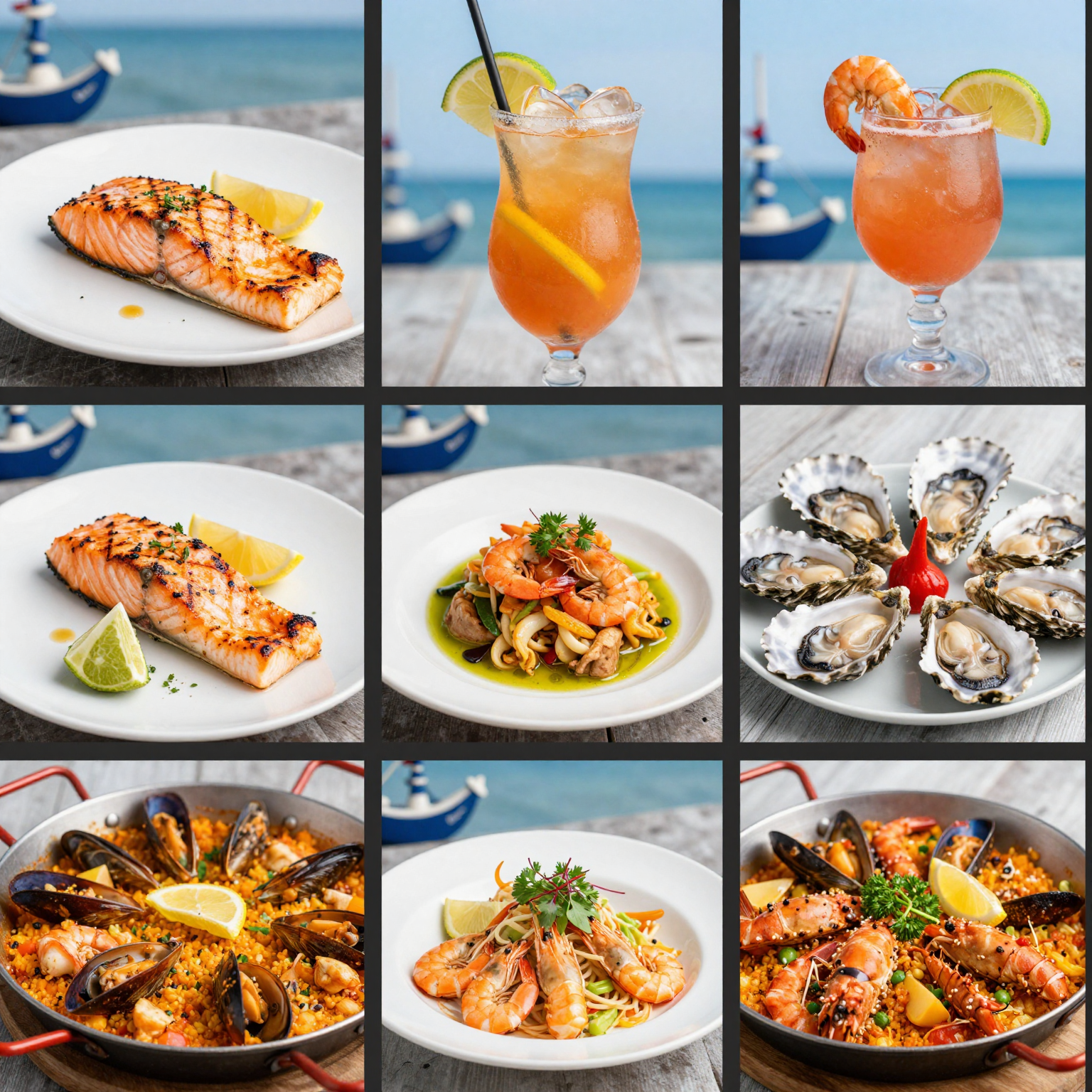
Grilled Salmon – A staple in many seafood restaurants, this flavorful fish is often marinated in herbs and grilled to perfection, served with a side of fresh vegetables.
-
Seafood Paella – A Spanish classic that combines rice, saffron, and a medley of seafood, including shrimp, mussels, and clams, creating a vibrant, flavorful dish.
-
Fish Tacos – Fresh fish fillets are seasoned and fried or grilled, served in tortillas with cabbage and a tangy sauce; a must-try casual dish.
-
Clam Chowder – A creamy soup made with clams, potatoes, and herbs, representing coastal comfort food at its finest.
-
Lobster Roll – Lobster meat mixed with mayonnaise on a soft bun, perfect to enjoy during the summer months.
-
Shrimp Scampi – Sautéed in garlic butter and served with pasta, this dish combines simplicity with rich flavor.
-
Oysters on the Half Shell – Fresh and served chilled with lemon, cocktail sauce, and horseradish, these are an elegant starter.
-
Crab Cakes – Fresh lump crab meat formed into patties and pan-fried until crispy, often served with a remoulade.
-
Blackened Catfish – Coated with spices and seared, this dish is a Southern favorite known for its bold flavors.
-
Ceviche – Raw fish marinated in citrus juices, often mixed with onions, cilantro, and chili peppers, offering a refreshing taste of the sea.
| Restaurant Name | Specialties | Price Range | Customer Rating |
|---|---|---|---|
| Ryan’s Steak Chops & Seafood | High-quality steaks and seafood | $$$$ | 4.6/5 (565 reviews) |
| Forsyth Seafood Market & Cafe | Fresh seafood, grilled shrimp, fried fish | $$ | 3.8/5 (32 reviews) |
| Mariscos Marlin | Mexican seafood, seafood tacos, garlic shrimp | $$ | 4.8/5 (5 reviews) |
| Fishers of Men Seafood | Homemade crab cakes, smoked salmon, seafood platter | $$$ | 4.2/5 (200+ reviews) |
Tips for Finding the Best Seafood Restaurant
Choosing the right seafood restaurant can significantly enhance your dining experience. For business owners looking to recommend the best locations to their clients or guests, understanding how to identify top-tier seafood restaurants is essential. Here are some actionable tips:
1. Leverage Local Reviews
- Check Online Platforms: Websites like Yelp and Google reviews are invaluable resources. According to a 2024 Yelp study, 87% of consumers read online reviews before visiting a restaurant. Focus on establishments with high ratings (4.5 stars and above) and a substantial number of recent reviews to ensure reliability.
- Engage with Feedback: Encourage those you recommend to share their experiences online. This boosts the restaurant’s visibility and trustworthiness.
2. Seek Freshness and Sustainability
- Understand Sourcing: Look for restaurants that highlight their seafood sourcing. Local establishments that partner with local fishermen or showcase daily catches often provide superior quality. As mentioned in a Bon Appétit guide, transparency in the supply chain is key-establishments that offer live displays or detail their sourcing (e.g., “caught this morning at the harbor”) display pride in the quality they serve.
- Sustainable Practices: Supporting restaurants that follow sustainable practices not only benefits the environment but often implies quality and freshness.
3. Tap Into Word-of-Mouth Recommendations
- Community Insights: Talk to locals or frequent visitors in your area. Recommendations from trusted sources can lead you to hidden gems that may not have significant online presence yet. According to Forbes, 92% of consumers trust online reviews as much as personal recommendations, so these informal conversations can be very impactful.
- Visit During Off-Peak Hours: Dining during less busy times can provide a better understanding of the restaurant’s customer service and meal quality. This allows you to observe how staff handle their operations without the pressure of a full house.
4. Analyze Menu Descriptions
- Specific Catch Information: Restaurants listing specific types of fish with details about their origin (e.g., “Alaskan wild salmon”) demonstrate care in their offerings. This often translates to a commitment to quality.
- Preparation Methods: Pay attention to how dishes are prepared. Unique or non-standard methods can indicate a restaurant’s dedication to culinary excellence.
Conclusion
By using local reviews, focusing on freshness and sustainability, relying on personal recommendations, and scrutinizing menu details, business owners can confidently recommend the best seafood restaurants in their area. For more insights and options, consider checking out Mayflower Seafood, known for its commitment to quality and local sourcing.
Understanding these elements not only enhances the dining experience but also strengthens community ties by supporting local businesses.
Health Benefits of Seafood
Consuming seafood provides numerous health benefits, making it a wise choice for both personal health and culinary delight. Seafood is generally rich in protein, essential fatty acids, and a variety of vitamins and minerals that contribute to overall well-being. Here are some of the key health benefits associated with regular seafood consumption:
1. Heart Health
Seafood, particularly fatty fish like salmon, mackerel, and sardines, is an excellent source of Omega-3 fatty acids. These healthy fats are known to lower blood pressure, reduce triglycerides, and decrease the risk of heart disease. According to the U.S. FDA, consuming at least two servings of seafood a week can significantly improve heart health and overall cardiovascular function.
2. Cognitive Benefits
The Omega-3 fatty acids found in seafood are also vital for brain health, promoting cognitive function and potentially slowing the progression of age-related cognitive decline. Regular seafood consumption is associated with better neurodevelopment in children, supporting intelligence and behavioral development.
3. Nutrient Density
Seafood is packed with essential nutrients, including high-quality protein, Vitamin D, selenium, and iodine. These nutrients contribute to maintaining a proper metabolism, strong immune function, and overall vitality.
4. Reducing Disease Risk
The regular intake of seafood has been linked to a lower risk of various chronic diseases, including certain types of cancer. Nutraceuticals like antioxidants and anti-inflammatory compounds found in seafood further support disease prevention.
By including a variety of seafood in your diet sourced from your local seafood restaurants, such as Mayflower Seafood, you take a positive step toward enhancing both health and flavor in your meals. Embrace the delicious and nutritious benefits that seafood has to offer!
In any thriving community, local businesses play a cornerstone role in fostering connections and adding value. As David Lin, a long-time restaurateur in Zhuhai’s Wanzai district, rightly points out, > “Our seafood restaurants are more than just places to eat-they’re anchors of the local economy. By sourcing fish daily from nearby fishermen, we ensure freshness while keeping money circulating within the community. This model supports both culinary excellence and environmental sustainability. Without these local hubs, we’d lose a vital link between the sea and the table.” Such sentiments echo the importance of supporting nearby seafood restaurants, as they not only provide fresh seafood but also strengthen local ties and economic resilience. To explore more, learn about Mayflower Seafood.
Conclusion and Call to Action
In summary, supporting nearby seafood restaurants is not only beneficial for the businesses themselves but also crucial for fostering a sustainable local economy. These establishments create jobs, boost local employment, and drive economic growth by keeping money circulating within the community. Additionally, when business owners support local seafood restaurants, they contribute to sustainable fishing practices and promote environmental stewardship, which benefits all of us in the long run.
Local seafood restaurants are more than just dining spots; they serve as community hubs that foster engagement and promote awareness about our oceans and marine ecosystems. By relying on local fishermen and sourcing fresh seafood, these restaurants not only ensure quality but also reduce the carbon footprint associated with long-distance food transportation. This commitment to sustainability is becoming increasingly attractive to consumers who prioritize responsible dining options.
As business owners, you have the power to impact your local economy significantly. Consider partnering with a nearby seafood restaurant for events, promotions, or even catering options to not only enhance your offerings but also strengthen community ties. Together, we can cultivate a thriving dining scene that respects our environment and supports our local fishers and farmers.
Take action today-support your local seafood restaurant! When you explore the menu at Mayflower Seafood or check out the Mayflower Seafood Restaurant in Winston-Salem, you help create a brighter future for your community and our oceans.
Seafood Consumption Trends in the U.S. (2021-2023)
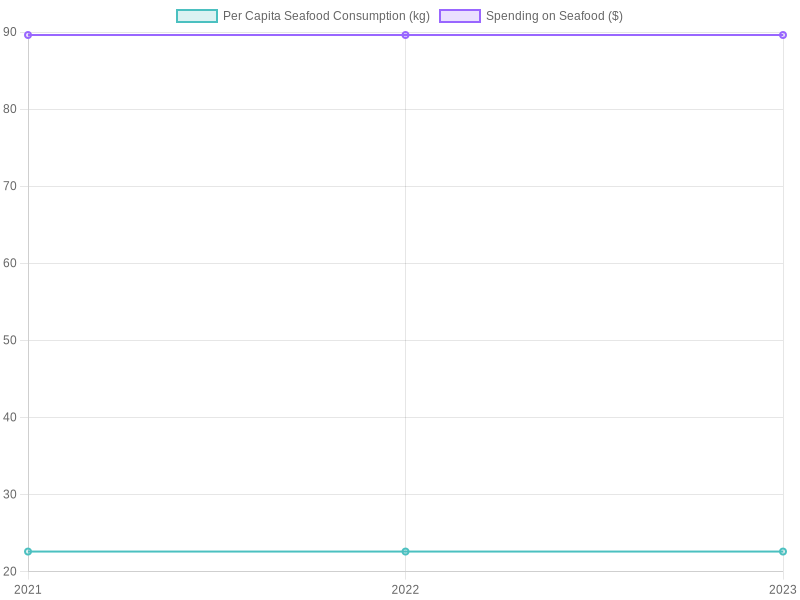
The chart below illustrates the trends in seafood consumption among U.S. consumers from 2021 to 2023. This data highlights the growth opportunities for nearby seafood establishments, providing insight into a recovering market.
Key Trends:
| Year | Key Trend | Data Point |
|---|---|---|
| 2021 | Consumer demand beginning to recover post-pandemic | Initial rebound in seafood purchases; concerns over quality and safety still influenced takeout and delivery choices. |
| 2022 | Increase in per capita seafood consumption | Reached approximately 22.6 kg (about 50 lbs) per person annually – a significant rise from prior years. |
| 2023 | Continued growth in consumption trends, reflecting business opportunities | Per capita consumption remained high; increased spending on seafood; rising interest in sustainable seafood options. |
Supporting Context:
- U.S. per capita seafood consumption rose from 11 lbs (5 kg) in 1968 to 19 lbs (8.6 kg) in 2020, and continued growing post-pandemic.
- In 2023, average consumer spending on seafood was $89.61 per person, with regional variations observed.
- The seafood market is projected to grow at 3.88% annually, indicating strong long-term business potential.
- Sustainability is becoming a key factor: Sustainable seafood shoppers made up a growing share of consumers between 2019 and 2023.
For more insights into seafood offerings, visit Mayflower Seafood or explore our Winston-Salem location.